
Published:
Summary
Metal Gear Solid (1998) smuggled blockbuster drama into your PS1 memory card, then told you to stop shooting and start sneaking. Solid Snake infiltrated Shadow Moses with a cardboard box, a codec, and a talent for making guards look silly. It mixed stealth, gadgets, boss fights, and fourth-wall winks into a tight, cinematic run where every footprint, camera cone, and ration mattered. One minute you were crawling past lasers, the next you were dueling a psychic, dodging a tank, and getting roasted for your save habits. The alert theme did not ask politely, either.
What it does well
Cinematic stealth, smart AI tells, memorable bosses, playful fourth-wall tricks, and pacing that rarely wastes a moment.
Where it falls short
Occasional camera fights, fiddly item management, and combat that could feel clunky under pressure.
Verdict
A genre-shaping stealth thriller that made the PlayStation feel cinematic, clever, and weirdly personal still.
Metal Gear Solid - version notes
Version-specific observations from the gameplay video. Tap a time to jump straight to that moment.
PS1 (5 Beats)
- Series reset: although it follows the MSX games, Metal Gear Solid was built as a PlayStation-era relaunch of the series.
- Stealth breakthrough: contemporary reception repeatedly credited it with popularising stealth as a mainstream console genre rather than a niche mechanic.
- Sales impact: it was a major commercial success, topping charts in the UK and Japan and helping define the PlayStation's mature, prestige image
- Cinematic push: the game was widely framed at the time as a "blockbuster" experience, helping normalize long cutscenes and voice-led storytelling on console.
- Legacy claim: critics and later retrospectives routinely place it among the most important PlayStation games ever made.
Connected Games
Explore the links between these games.
-
 Compare: infiltration tension
Impossible Mission
1984Compare the hostile installations of Impossible Mission and Metal Gear Solid, where observation and careful movement help you stay alive.
-
 Compare: espionage styles
Rolling Thunder
1986Rolling Thunder and Metal Gear Solid both use secret-agent settings, with contrasting approaches to combat, caution and infiltration.
-
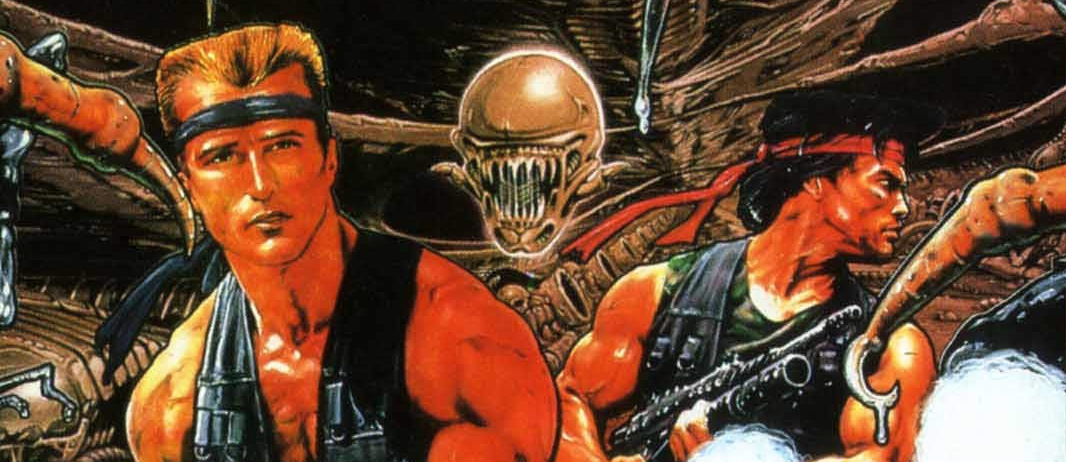 Konami connection
Gryzor (aka Contra)
1987Both are Konami releases, spanning 1987 to 1998.